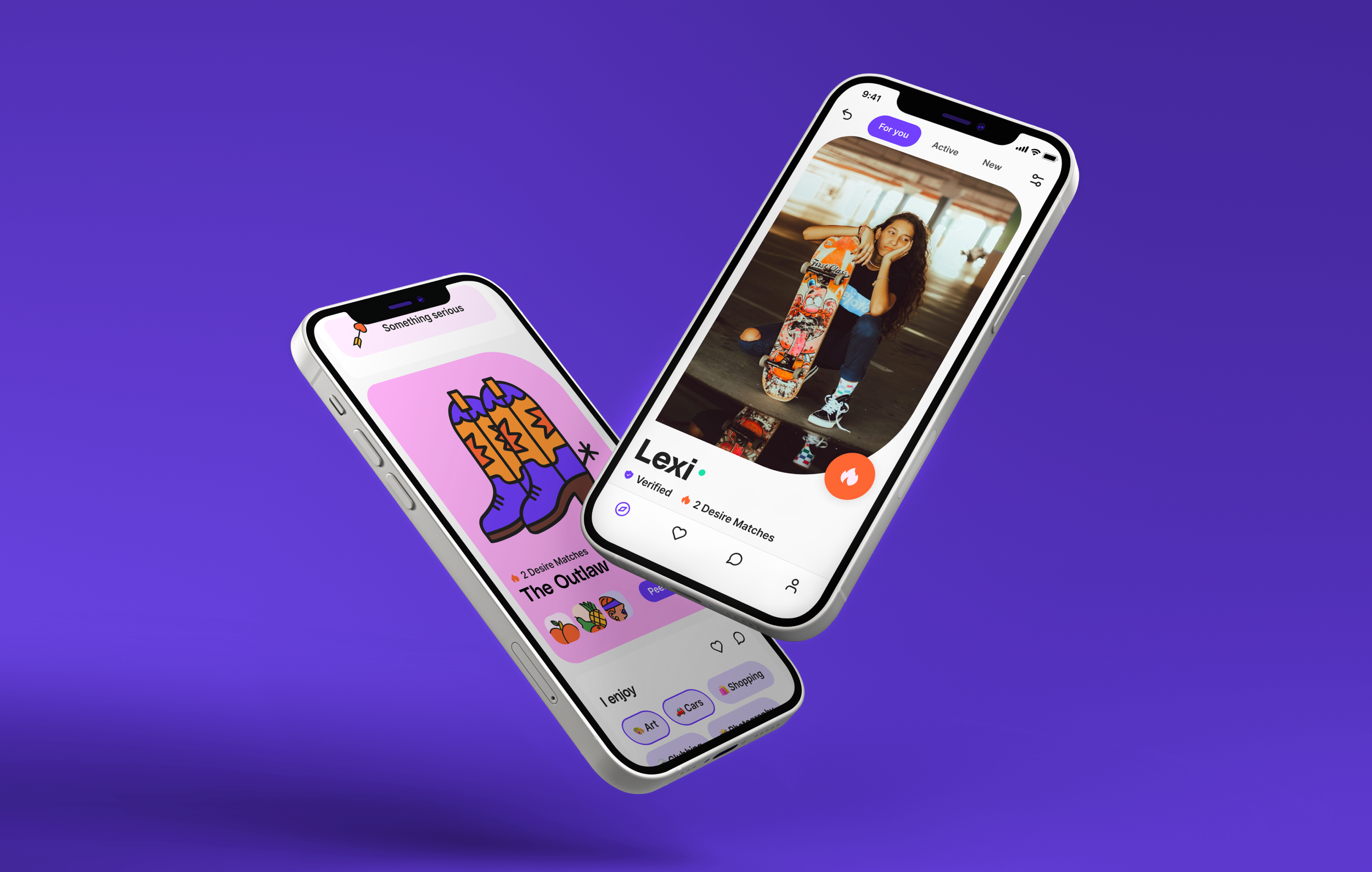
HUD, a casual dating app with more than 14 million downloads, wanted to evolve an ageing product experience and make the app more relevant and appealing to women.
As Product Design Lead, I led the 12-week engagement from pitch through delivery, managing two senior designers and working closely with HUD’s leadership team to define the product direction, redesign the core experience and establish a stronger visual and product system.
Product Design Lead · Product strategy · Research · Design direction · Team leadership


The Ask
HUD had grown significantly, but the product experience and visual identity had not kept pace. The team wanted to understand why the app was struggling to resonate with women and identify what needed to change across the core experience.
In 12 weeks, we needed to audit the existing product, understand the needs of female users, define a clearer product direction and redesign the app’s most important journeys.
The Challenge
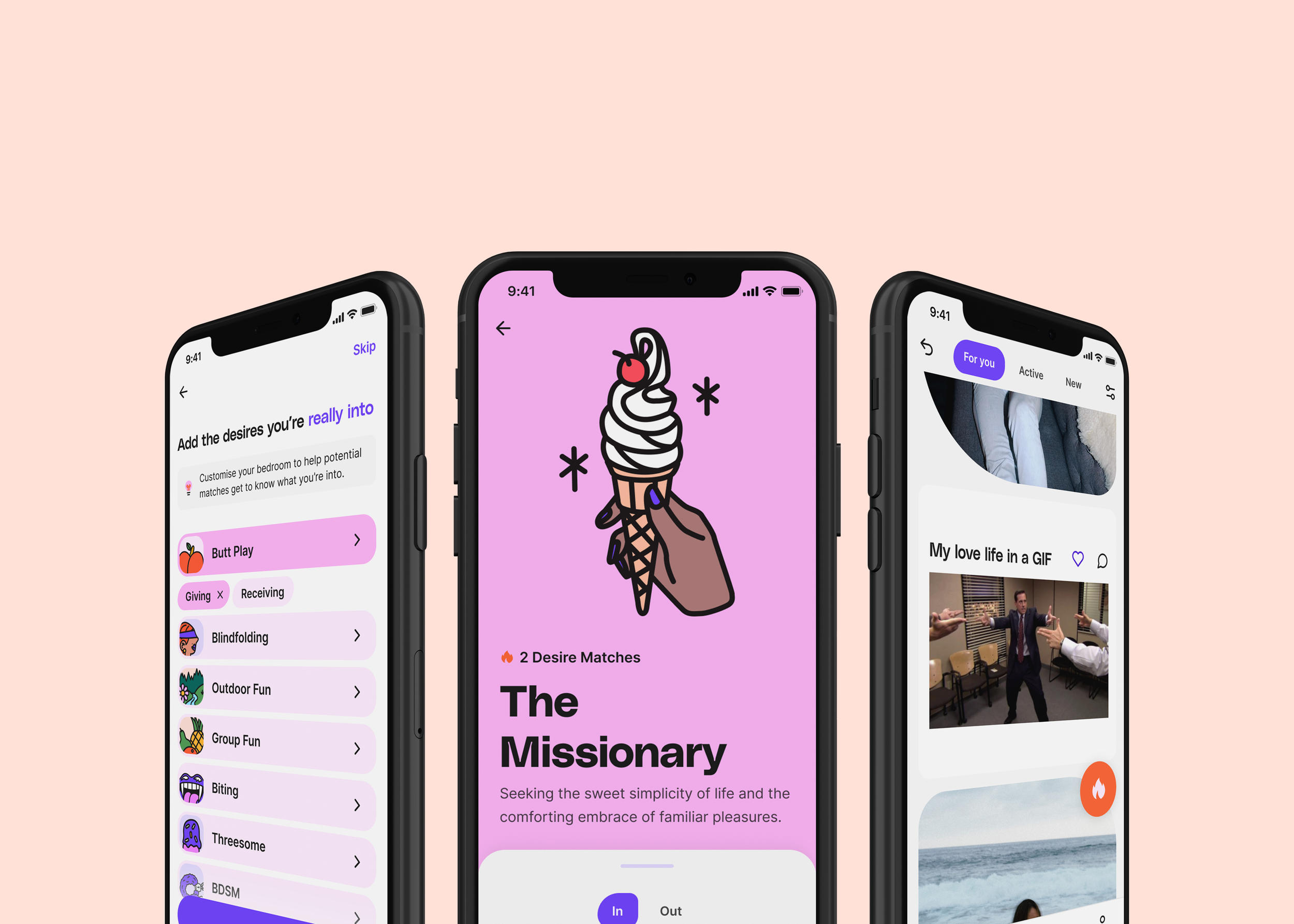
What began as a product UX redesign quickly exposed a broader problem. The app’s visual identity, interaction patterns and product experience had evolved separately over time, creating an inconsistent experience that no longer reflected the audience HUD wanted to attract.
Although brand work sat outside the original scope, it became clear that improving the product without evolving its visual direction would only solve part of the problem.
The solution
We started by combining a full product audit with behavioural data, customer feedback and interviews with women in HUD’s target audience. This gave us a clearer picture of where the existing experience was creating friction and where the product failed to meet expectations around usability, trust and overall appeal.
I worked with the team to turn those findings into a clearer product direction and prioritise the core journeys that needed redesigning. Rather than treating the work as a visual refresh, we explored the experience, interaction patterns and brand together so the product felt more coherent end to end.
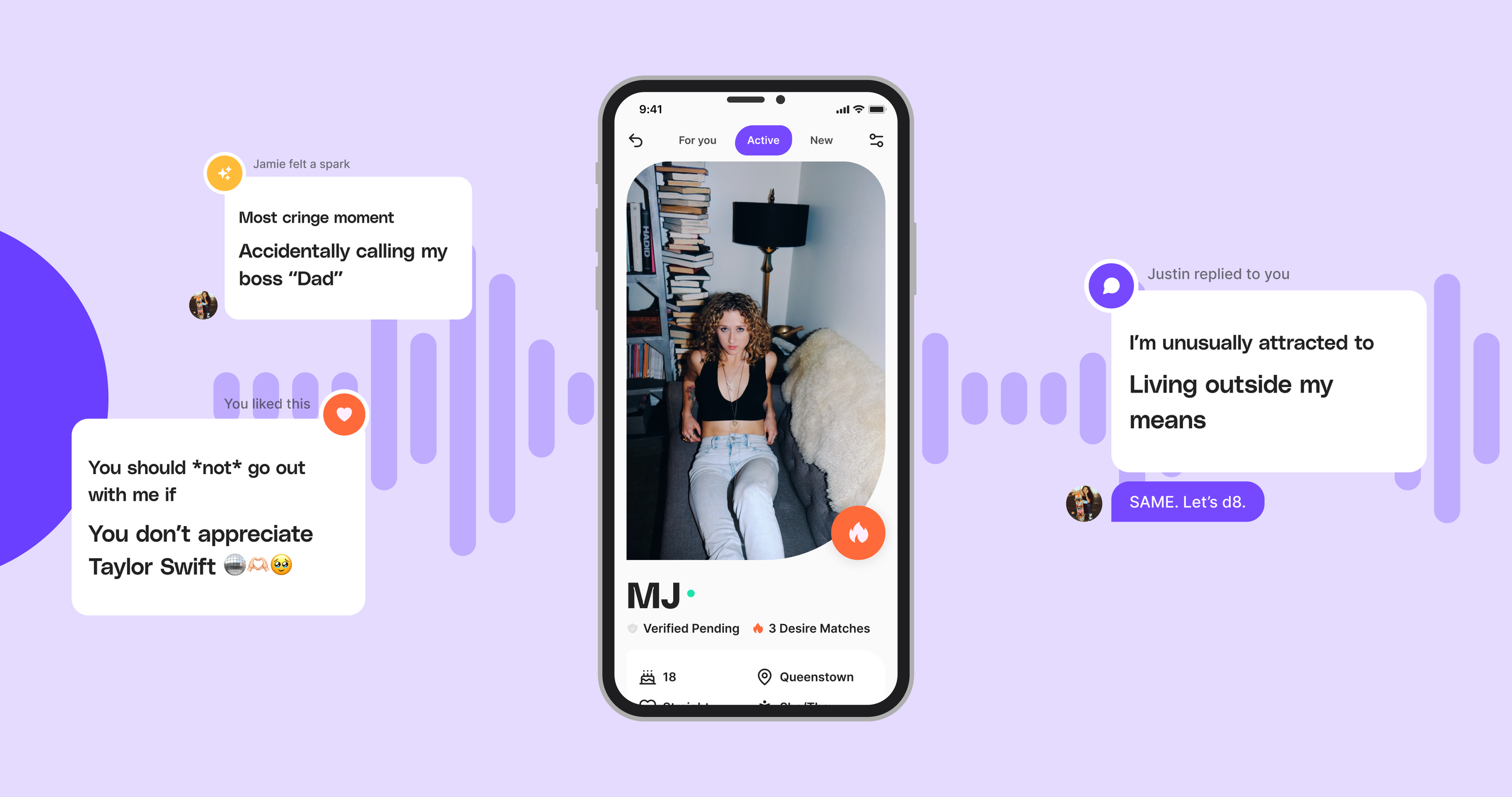
I led multiple rounds of concept development across the app’s core flows, working with the client, our design team and an illustrator to evolve the visual language alongside the product experience. We tested concepts with target users throughout the process, using their feedback to refine both usability and direction.
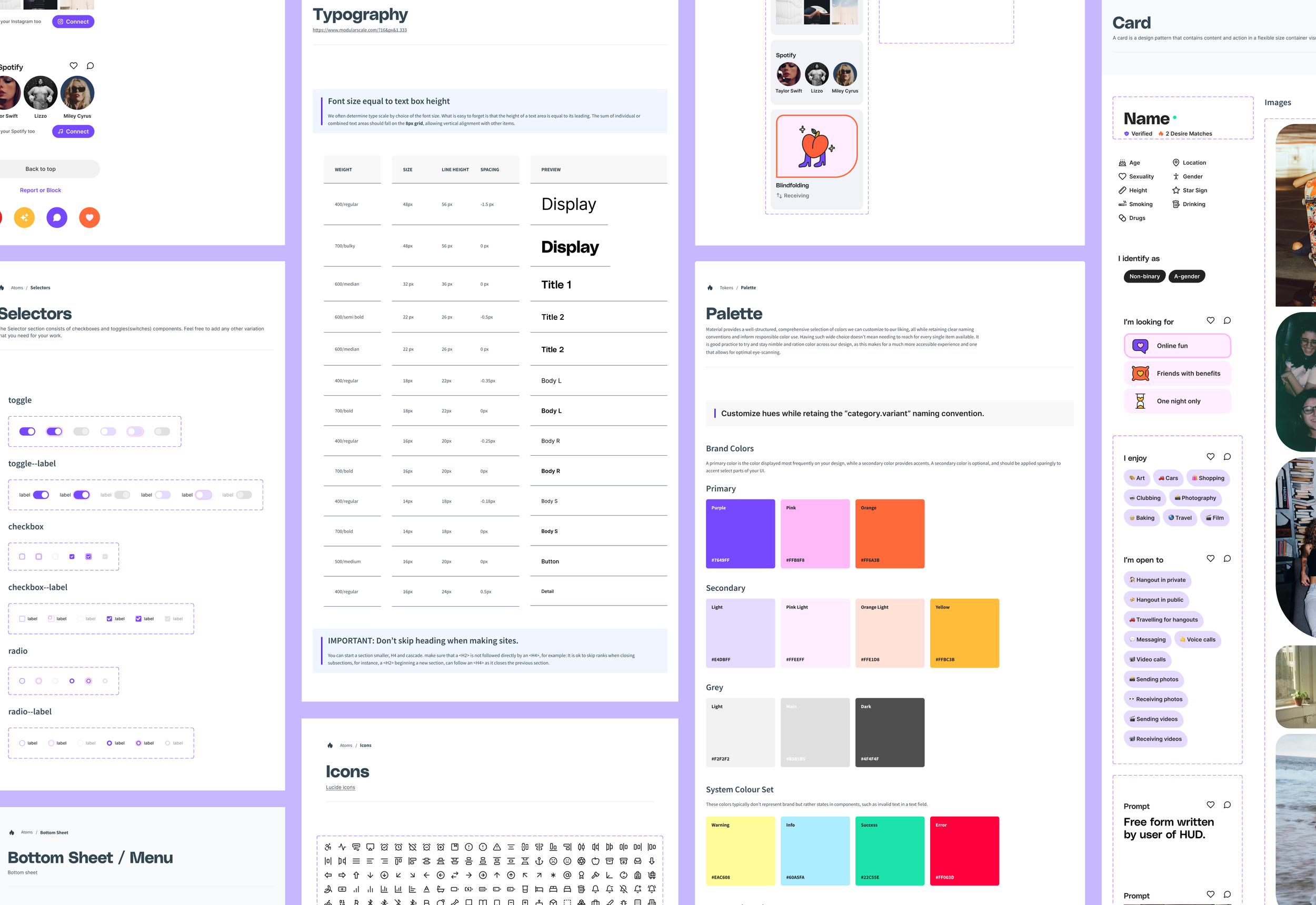
Alongside the redesign, we created a reusable design system to bring consistency to the experience and give HUD’s internal team a stronger foundation for evolving the product after handover.
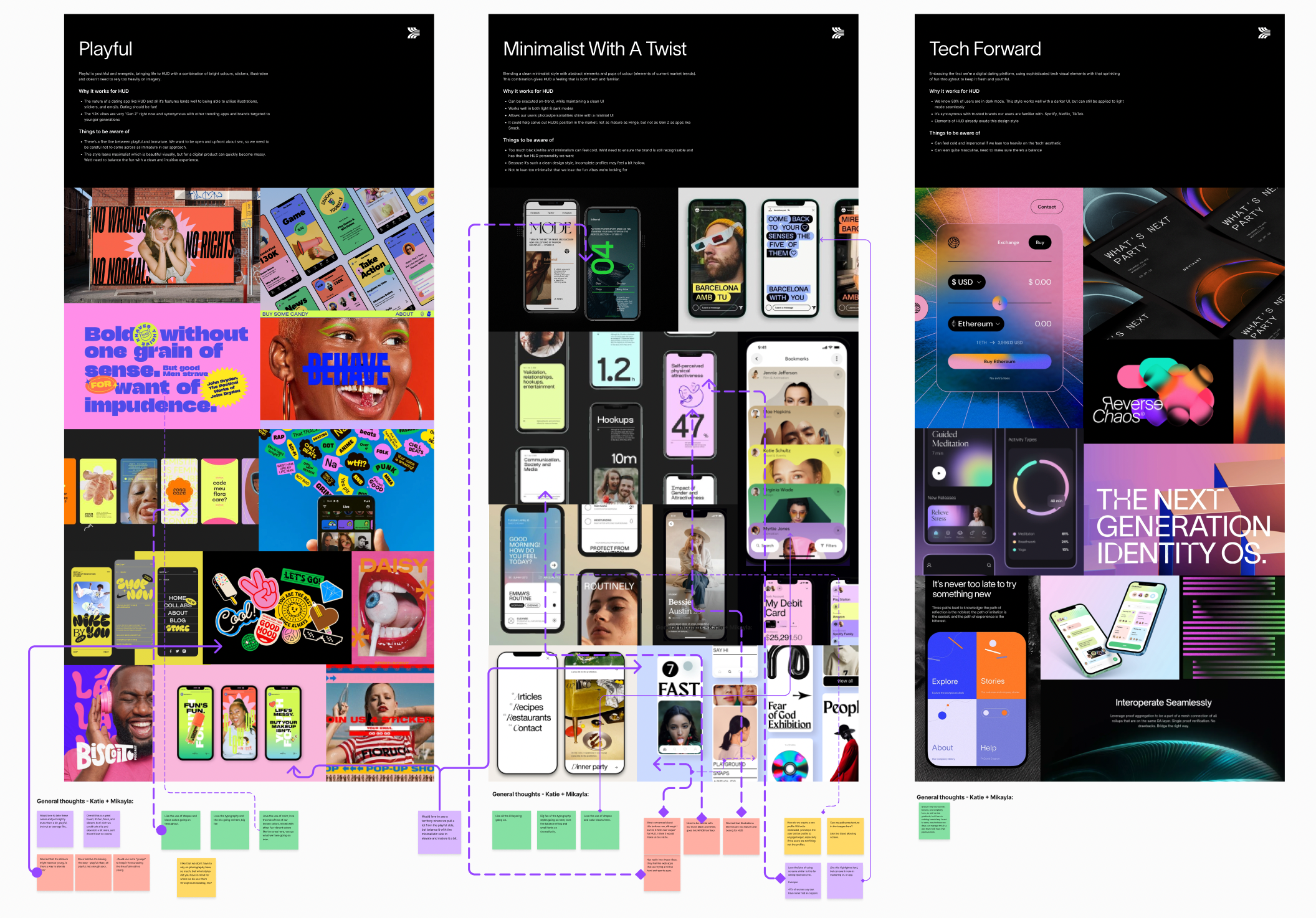
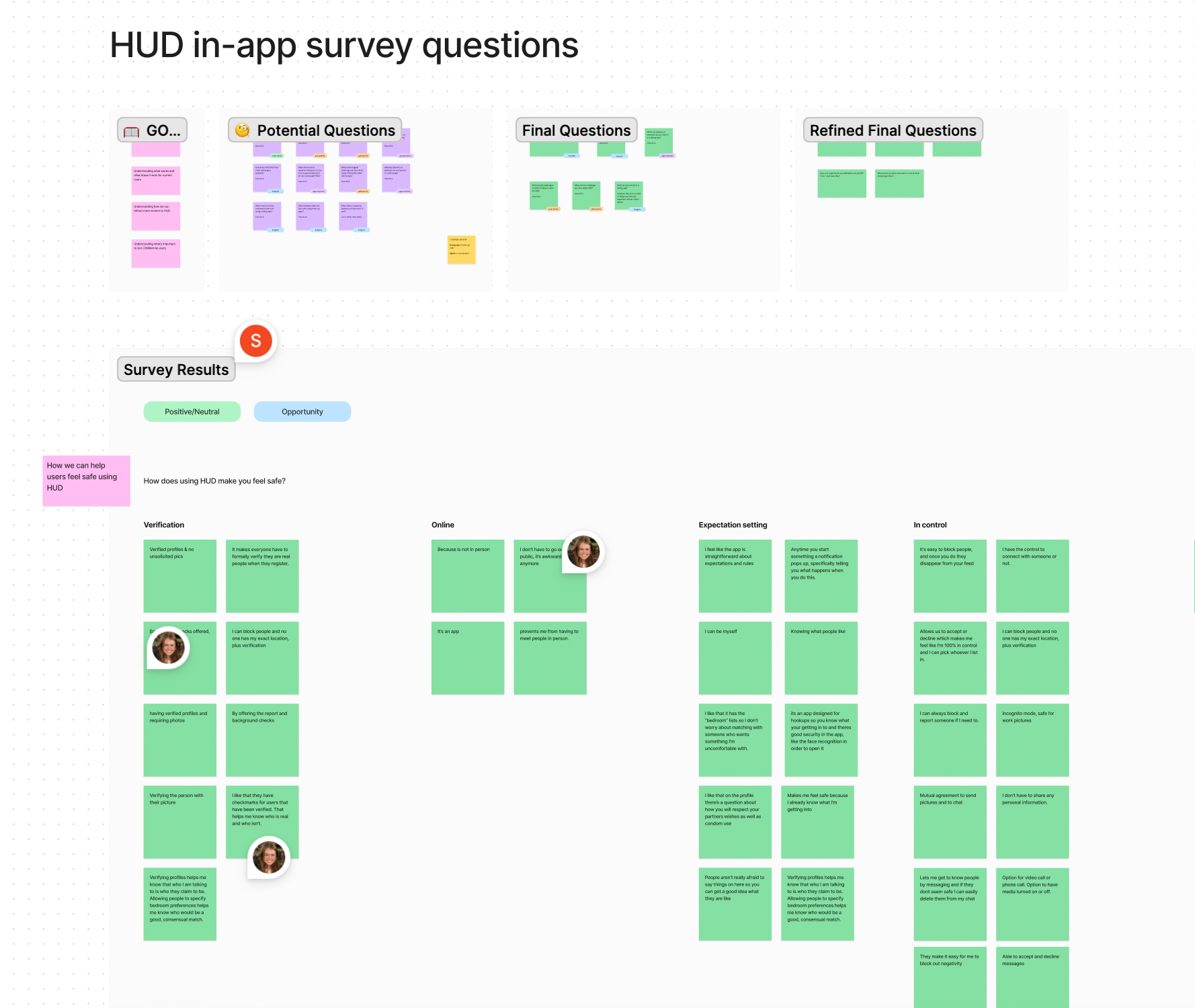
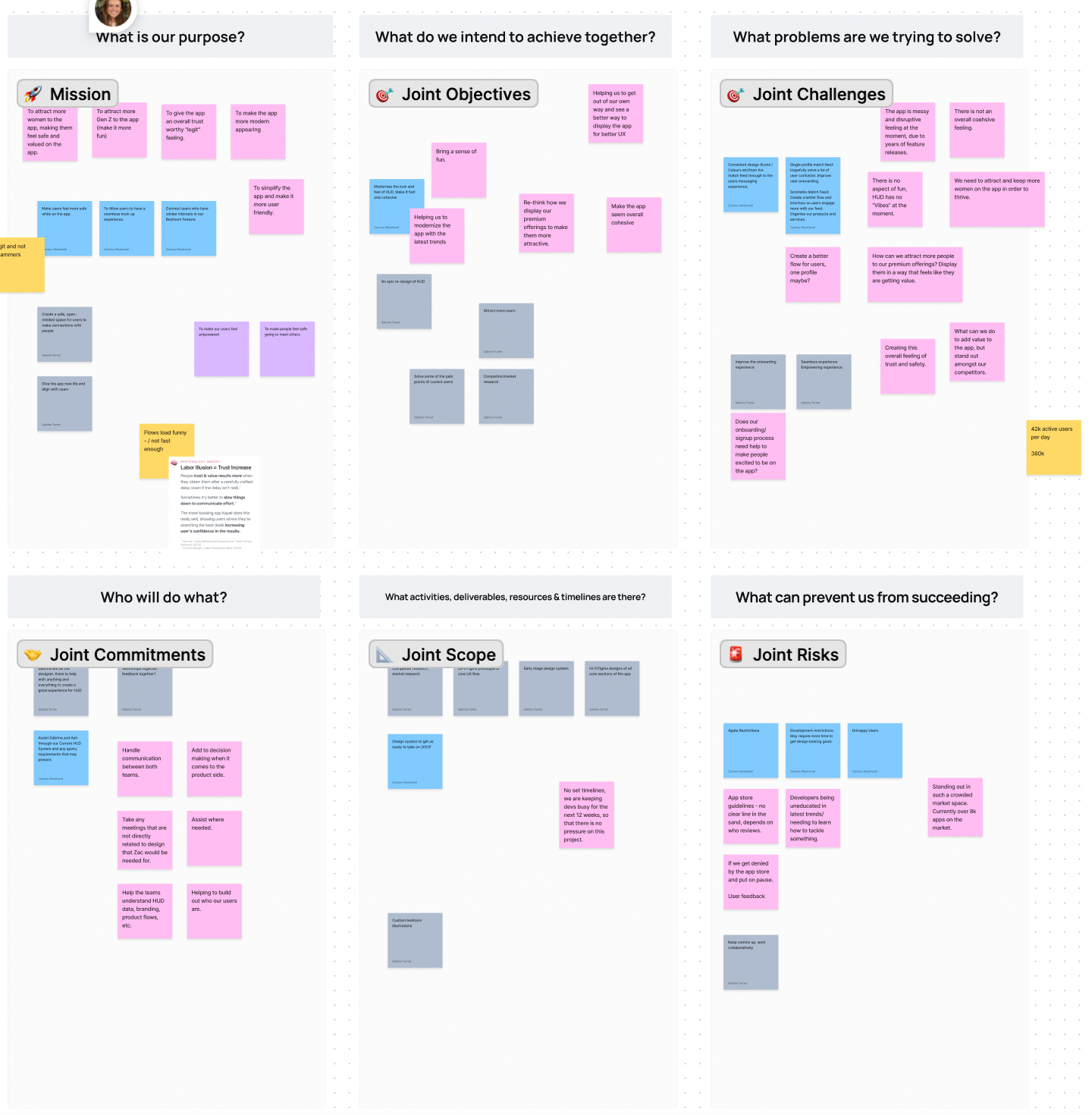
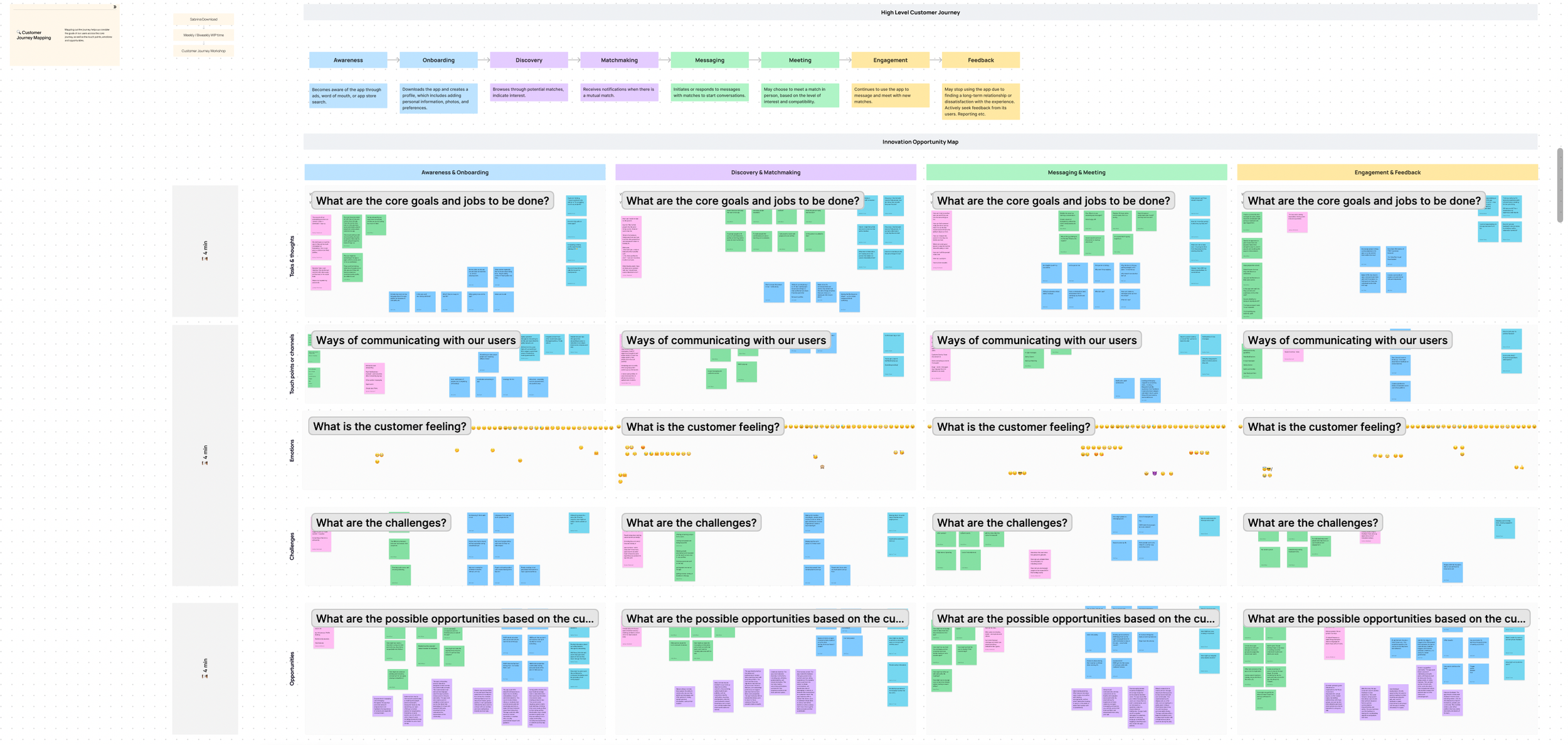
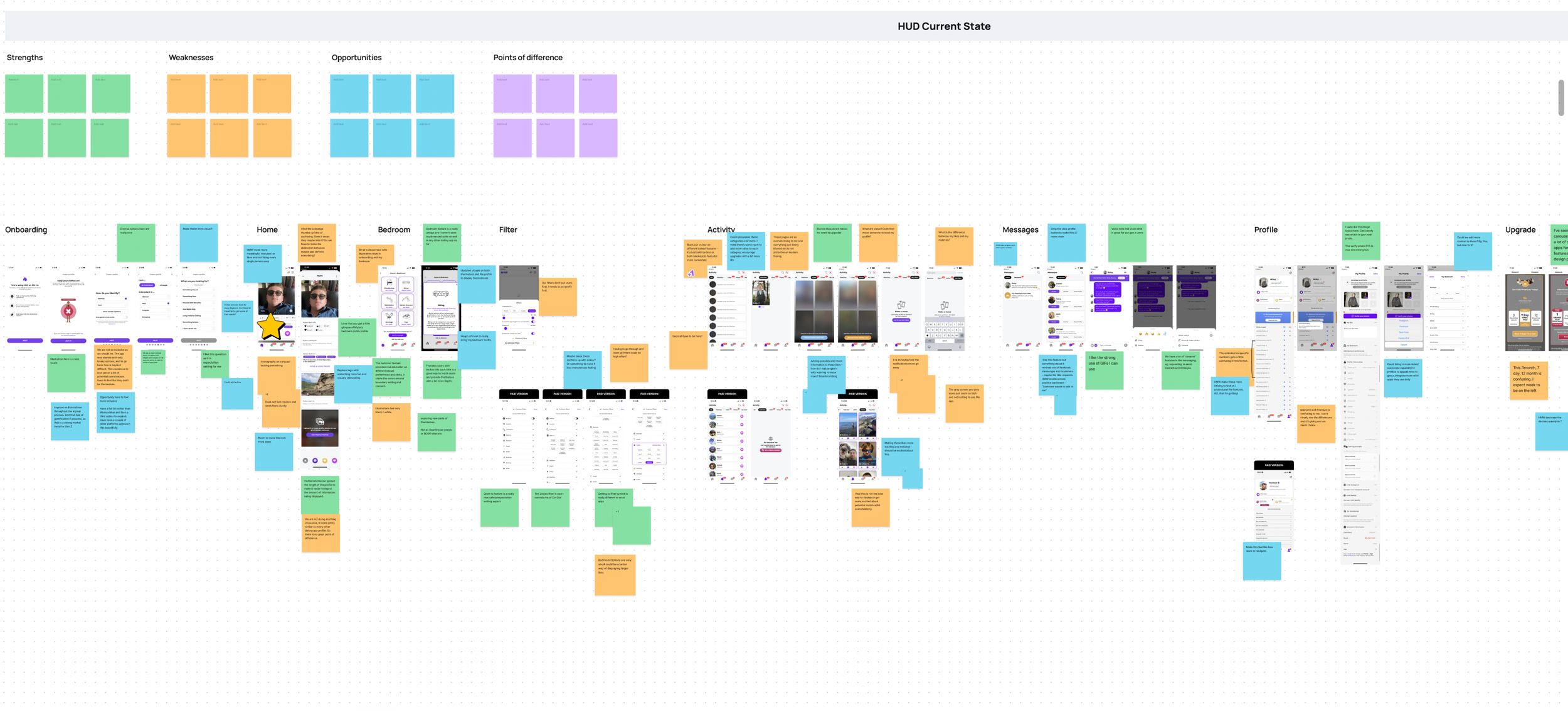
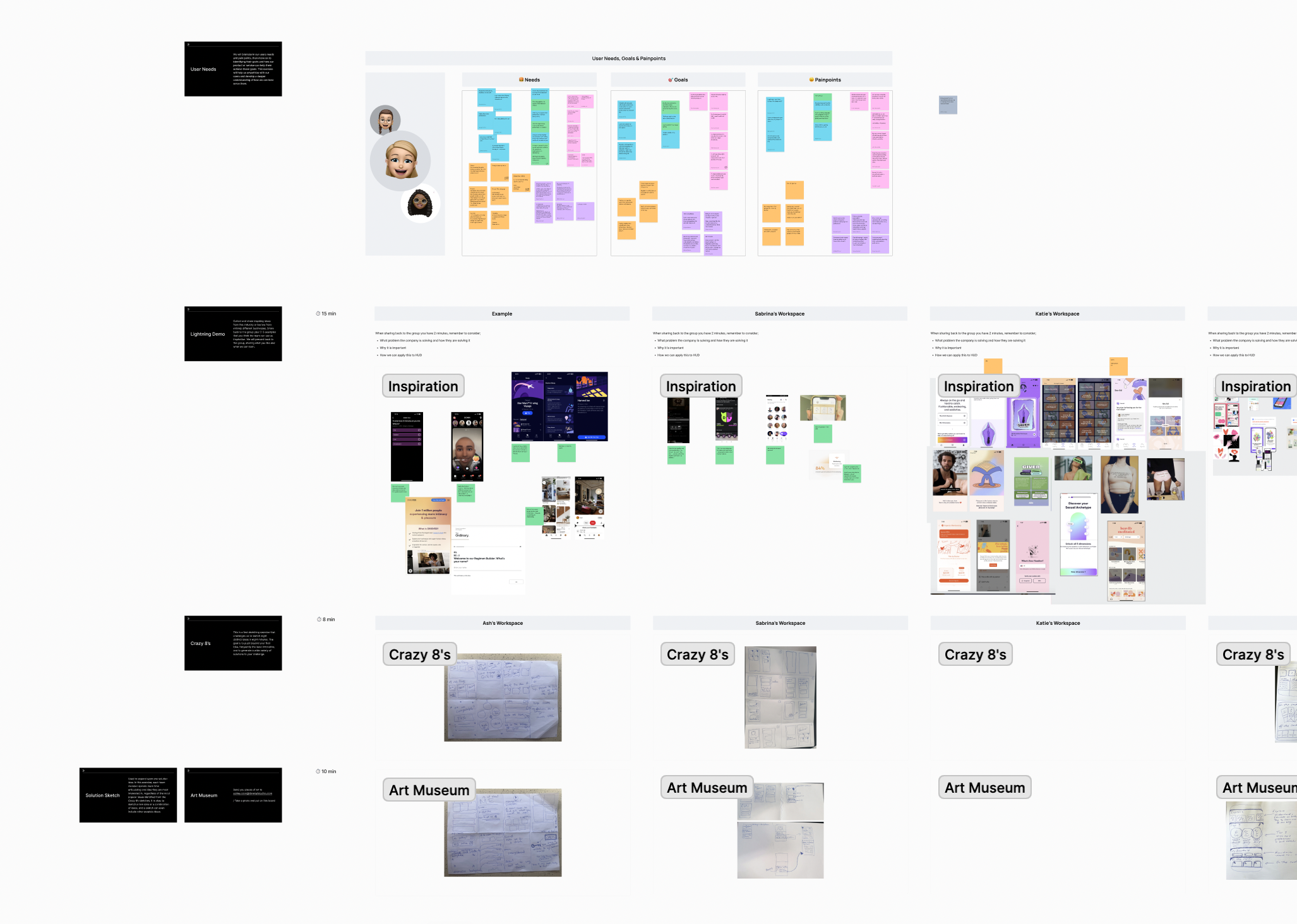
We facilitated client workshops and conducted empathy interviews to refine our understanding of the problems and validate our assumptions.
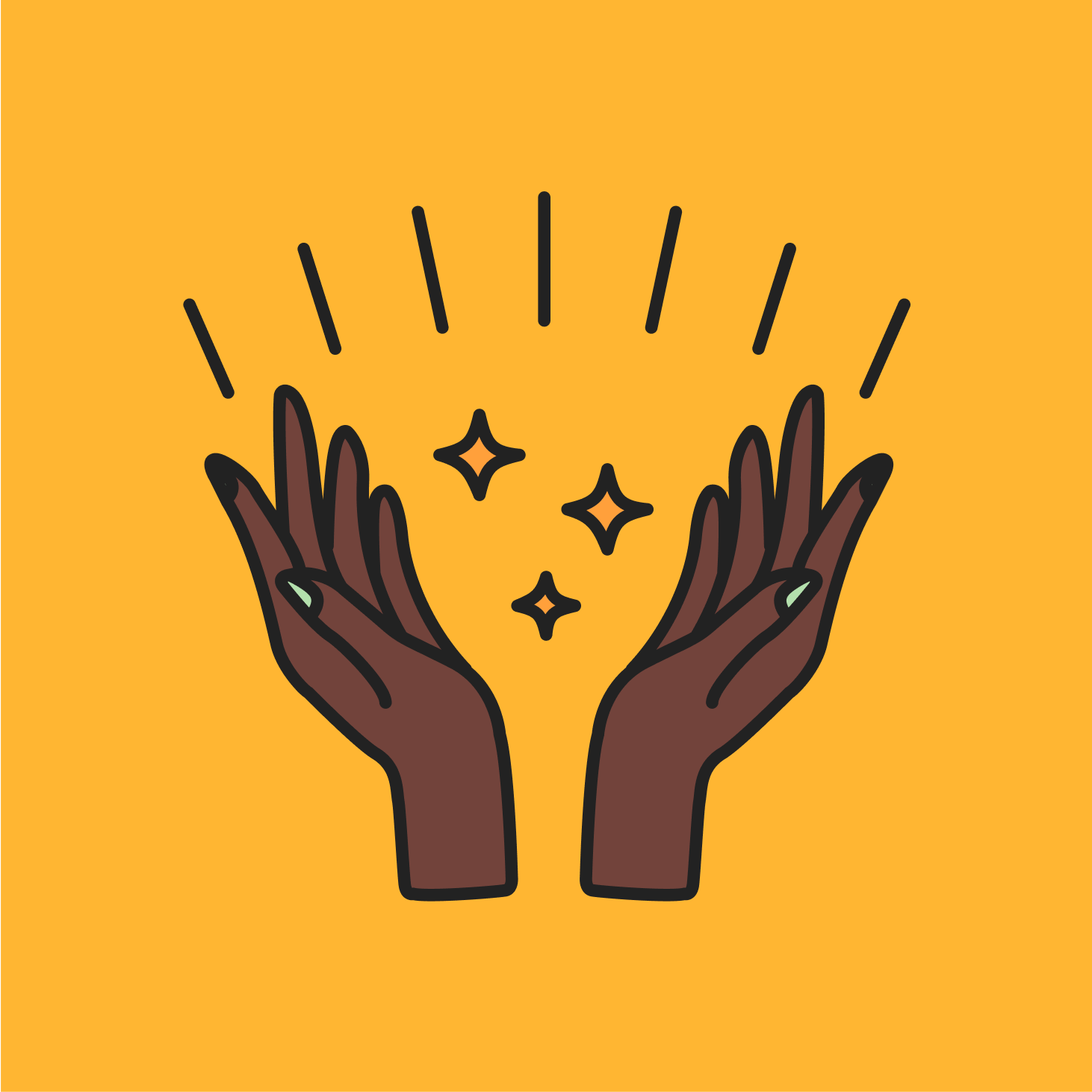
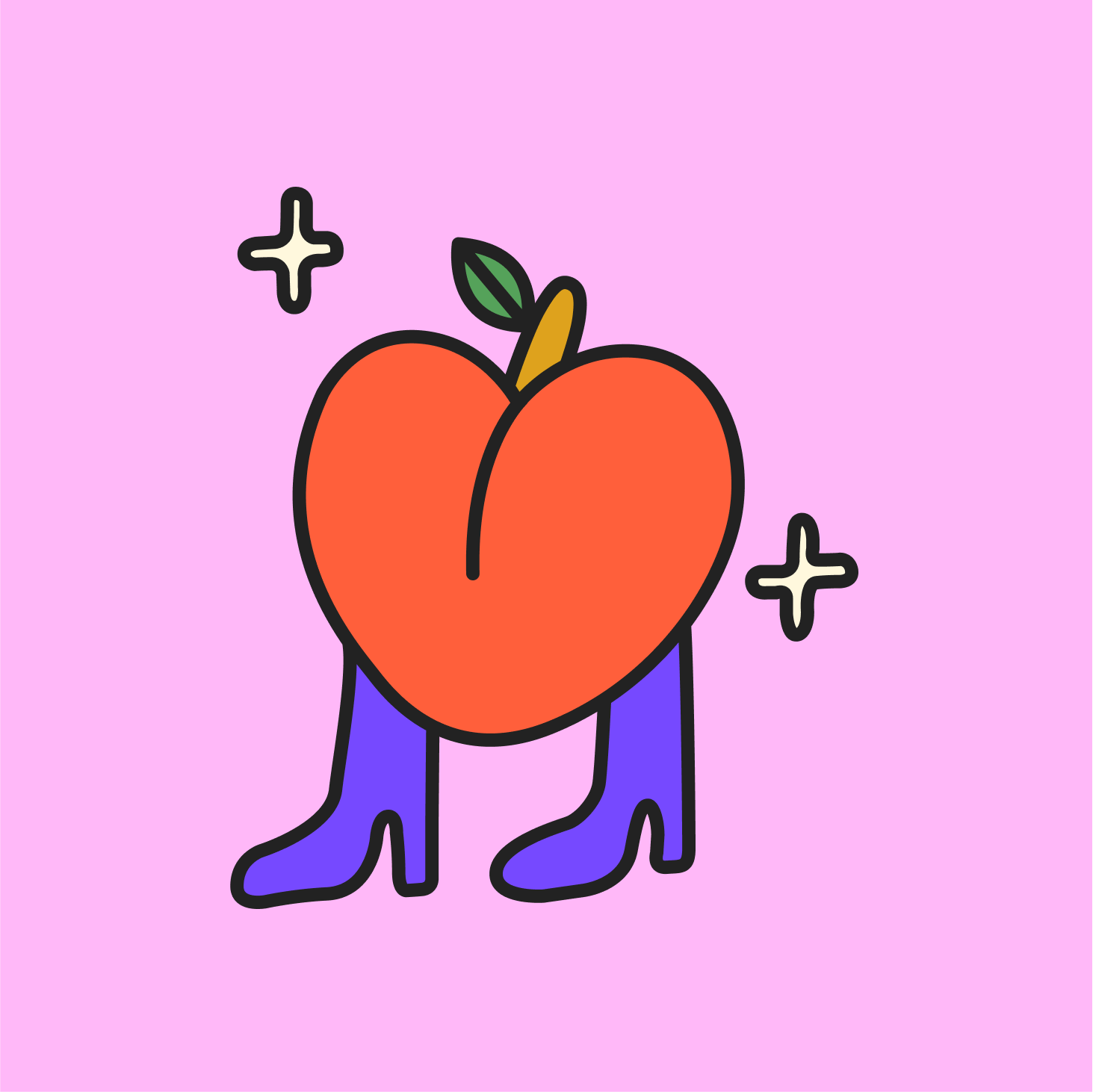
For the redesign, we generated multiple rounds of design concepts, exploring various visual styles, colour palettes, and typographies. Continuous collaboration with the client allowed us to refine and fine-tune the design options based on their feedback. We collaborated with an illustrator to create new, fun illustrations that resonated with the target audience. These illustrations were strategically placed throughout the app to enhance the user experience.
Usability testing played a crucial role in validating our concepts. We conducted user testing sessions, gathering feedback and insights to ensure the redesigned app met the needs and preferences of female users. This iterative feedback loop enabled informed design decisions and optimised the user experience.
In the product design phase, we utilised Figma to create a comprehensive design system. This system included reusable components and design guidelines, ensuring consistency and scalability. We developed a full working prototype that was shared with the client, allowing them to experience the redesigned app firsthand. The prototype was also used for additional usability testing, enabling further iteration and refinement based on user feedback.


The Result
In 12 weeks, we took HUD from an ageing and fragmented experience to a validated new product direction, redesigning its core journeys and establishing a visual system better aligned with the audience it wanted to reach.
The work gave HUD a reusable design system and a clear foundation for continuing to evolve the product internally, rather than a collection of disconnected redesigned screens.
Just as importantly, the process created strong alignment with the client team. HUD described the transformation as “life-changing” and highlighted how well the team had understood their goals and translated them into the product.