I led the design of a new feedback experience for Dojo Bookings, connecting guest insight, restaurant reputation and repeat visits. What started as a request to collect post-visit feedback became an opportunity to build a stronger relationship between restaurants and their guests.
Lead Product Designer · Strategy · UX/UI · Research & rollout
47k
Guest feedback responses each week
+18%
More Google reviews
+8%
Higher 60-day repeat bookings
— Context
Dojo Bookings had no meaningful feedback loop after a restaurant visit
Once a booking was complete, the relationship largely stopped.
Restaurants had no structured way to understand what went well, identify poor experiences or use that insight when a guest returned. At the same time, happy customers weren’t being encouraged to leave the public reviews that help restaurants attract new guests.
The initial brief was to introduce feedback collection.
I saw an opportunity to make it do much more.

We defined success around the behaviours we wanted to create
15-20%
Guests leaving feedback after a visit
10-30%
Feedback converting into Google reviews
↑ New & repeat visits
Through stronger reputation and better guest experiences
The Reframe
The opportunity wasn’t simply to collect more ratings.It was to connect what happened after one visit with what happened next.
How might we help restaurants learn from every visit, turn great experiences into advocacy and use guest insight to make the next experience better?
That opened up three opportunities
01
Learn from every visit
Give restaurants useful feedback they can act on, not just another satisfaction score.
02
Turn great experiences into acquisition
Make it easier for happy guests to share their experience publicly and help restaurants build their reputation.
03
Improve the next visit
Carry useful feedback into the guest profile so returning customers can receive a more personalised experience.
— Evidence
I started with what restaurants actually valued
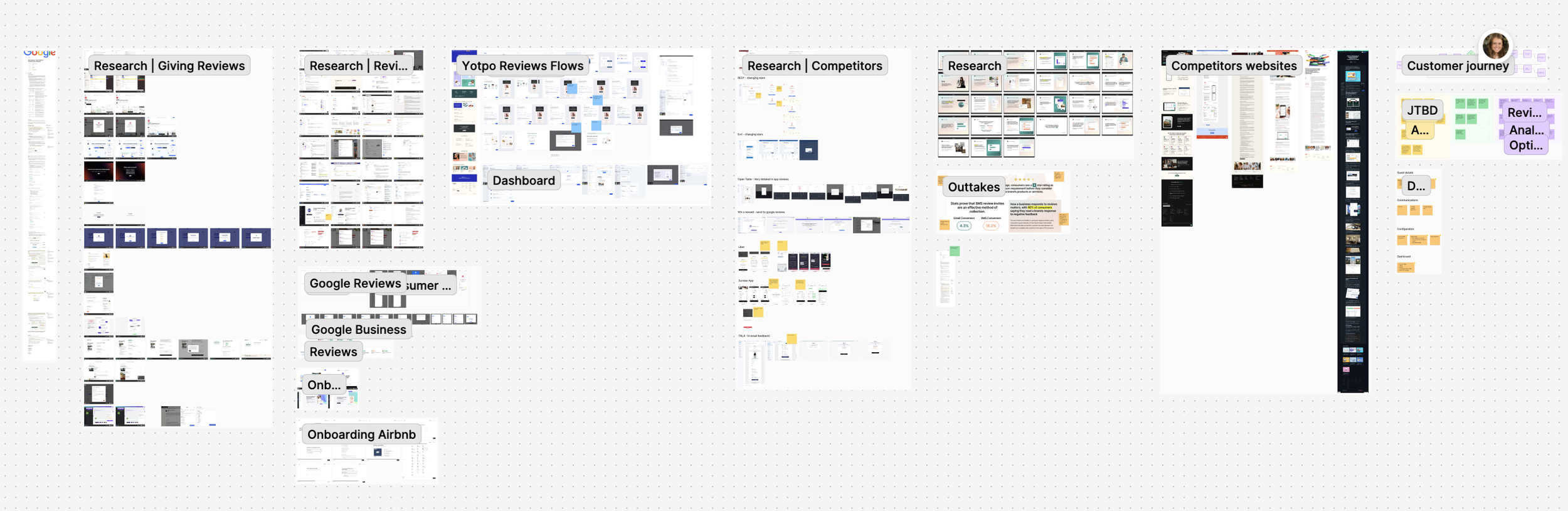
Customer interviews, journey mapping and competitor analysis surfaced three important themes.
Negative feedback was often more valuable than praise
Restaurant owners wanted to understand poor experiences early, resolve issues and use that context to make the next visit better.
Reviews were an important acquisition channel
Strong Google ratings could directly influence where people chose to eat, but restaurants struggled to consistently encourage guests to leave reviews.
Restaurants didn’t need another admin task
Owners were already operating in busy environments. Whatever we built had to work largely in the background, while still giving merchants enough control to feel trustworthy.

"Getting positive reviews on Google is essential for bringing in new customers, but we were struggling to get guests to leave them. We need a way to easily push great feedback to Google so we can build our online presence and attract more people, without adding extra work.”
— Sam at Bun X
— Product tension
Balancing restaurant growth with guest trust
Research also surfaced a more difficult question.
Restaurants naturally wanted to encourage happy guests to leave public reviews while dealing with negative feedback privately. Commercially, that made sense. But selectively steering feedback could quickly become misleading for guests.
The goal wasn’t to remove merchant control. It was to design enough flexibility to help restaurants manage feedback effectively without turning the experience into a mechanism for manipulating public sentiment.
That balance between merchant growth, guest trust and platform integrity became an important principle throughout the design.

— Direction
Designing the loop, not just the survey
Most feedback products followed a simple pattern:
Ask → Rate → Dashboard
I wanted to design around the wider customer relationship instead:
Visit → Feedback → Action → Advocacy → Next visit
This shifted the role of the product.
Feedback wasn’t simply an end-of-journey interaction. It became a way to connect the guest who had just visited, the restaurant trying to improve their experience and the future customer deciding where to book.

— The Design
How the experience worked
Feedback starts automatically
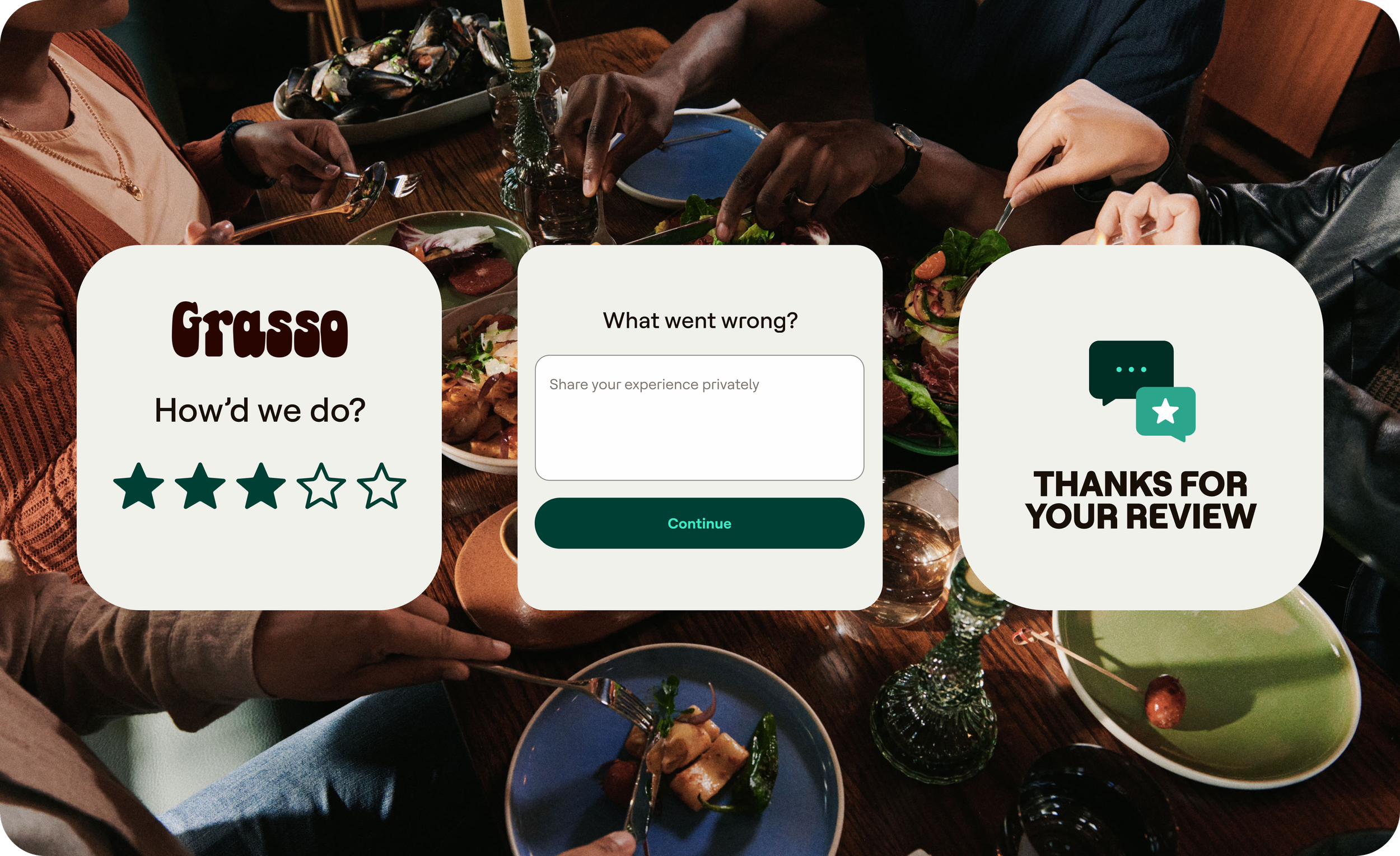
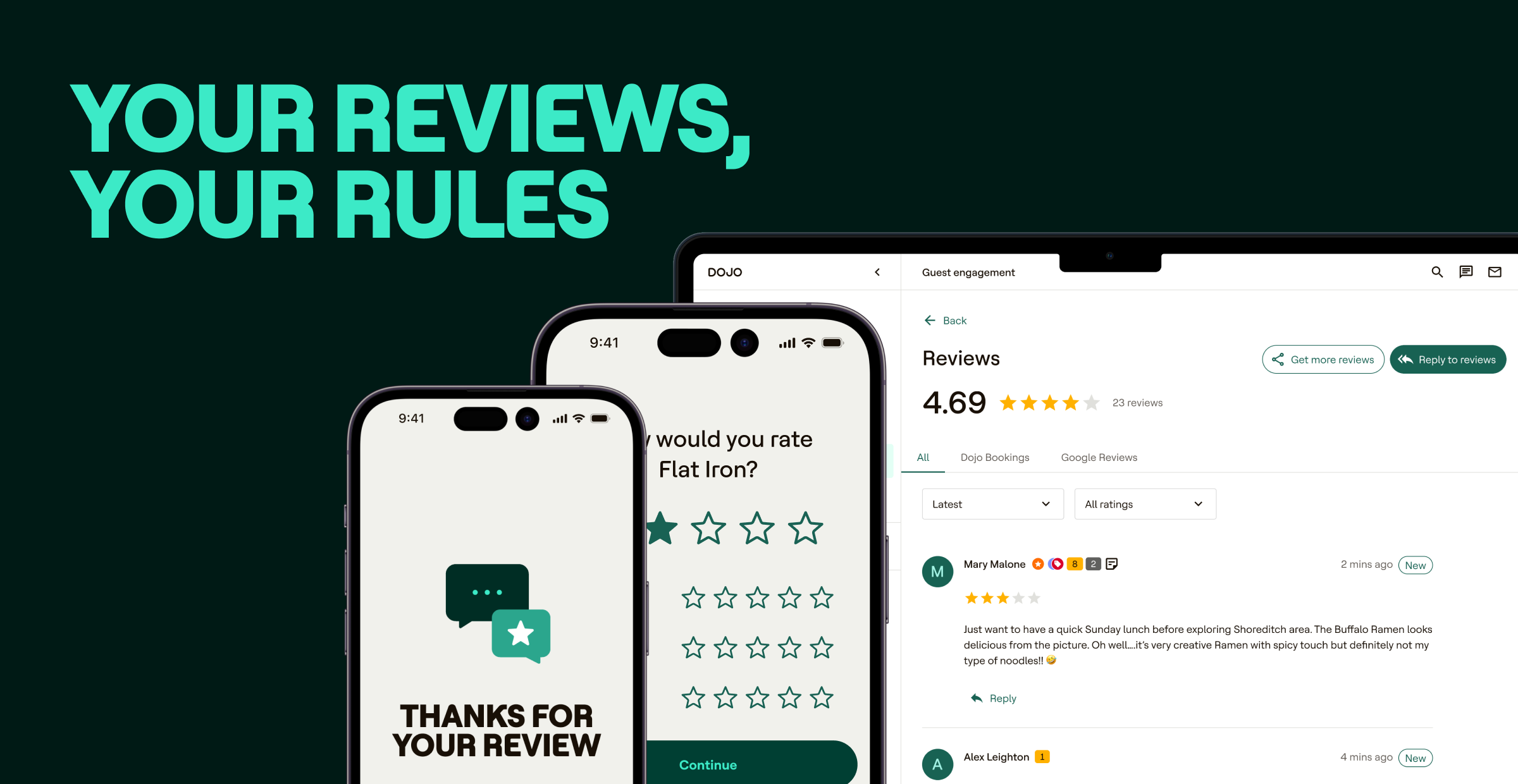
After a completed visit, guests receive a lightweight follow-up asking about their experience.
Automating the request meant restaurant teams didn’t need to remember to collect feedback or introduce another manual task into service.
Restaurants see what needs attention
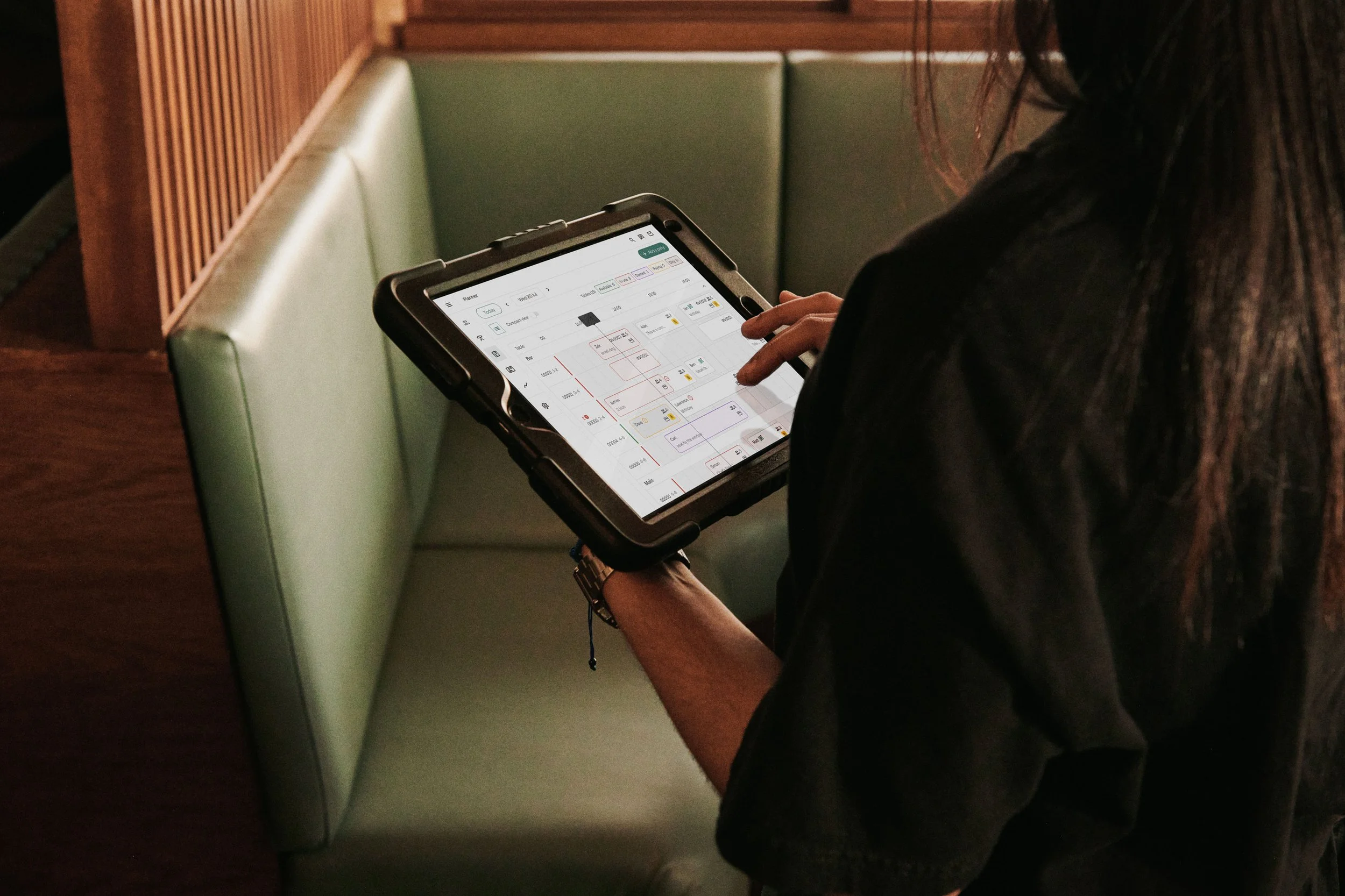
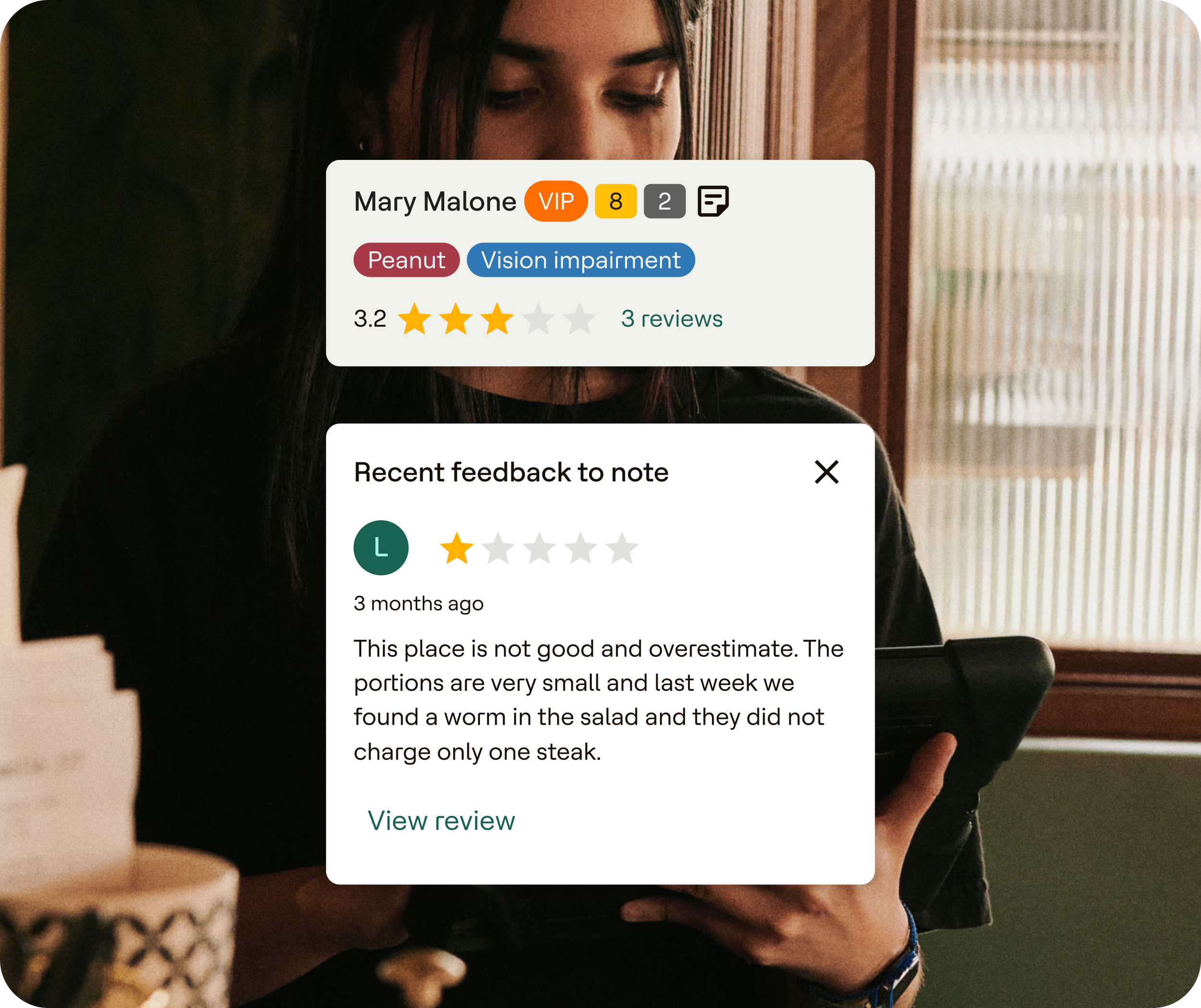
Poor experiences are surfaced clearly so teams can understand what happened and respond before the relationship is lost.
Feedback also becomes part of the guest profile, giving teams useful context if that person books again.
Great experiences can become advocacy
Happy guests can continue to platforms such as Google and share their experience publicly.
This turns a successful visit into a potential acquisition moment without making public reviews the only purpose of the feedback flow.
Activation is part of the product
The feature only created value if restaurants actually enabled it, so I treated onboarding as part of the core experience rather than relying on merchants to discover and configure it themselves.
Restaurants could enable feedback, personalise follow-up emails and start from ready-made templates without needing marketing expertise or lengthy setup.
The goal was to get a merchant from “What is this?” to “This is working for my venue” with as little effort as possible.
— B2B2C
One interaction had to create value for two users
For guests, feedback needed to feel quick and trustworthy. For restaurants, that same interaction needed to create something useful: an issue to resolve, context for a future visit or advocacy that could attract someone new.
Designing both sides together was critical to making the proposition work.

— Systems thinking
Designing beyond Bookings
The first release used a completed restaurant booking as the trigger, but I deliberately designed the feedback model independently of that trigger.
Across Dojo, guests could also interact with restaurants through point-of-sale payments, mobile ordering and QR payments.
Each of those moments could eventually become another entry point into the same feedback experience, rather than creating separate systems for each product.
That gave the work the potential to scale beyond Bookings and contribute to a more connected understanding of the guest relationship across the wider Dojo ecosystem.
— Validation
Testing changed the experience, not just the UI
I worked closely with Product and Engineering through discovery and prototyping, then tested the proposition and workflows with restaurant owners.
Testing led us to simplify the setup experience, refine how much control restaurants needed and make onboarding a much more deliberate part of the product.
Three areas resonated particularly strongly.
01
Closing the loop on poor experiences
Restaurants valued having the chance to understand and resolve problems before losing a guest.
02
Reducing manual work
Automated collection made the proposition realistic for teams already managing busy services.
03
Connecting feedback to the guest
Bringing previous experiences into the guest profile created value long after the original feedback had been submitted.
— Outcome
From feedback to measurable growth
The new experience generated 47k guest feedback responses each week, giving restaurants a much clearer view of what was happening after a visit.
Restaurants using feedback saw an 18% increase in Google review volume, while guests who were followed up after a poor experience were 8% more likely to book again within 60 days.
What started as a feedback feature became a measurable growth and retention loop, helping restaurants understand their guests, strengthen their reputation and recover relationships before they were lost.